

Omise AI
AI-powered efficiency

Most people assume that a great engineer is defined by their ability to write clean code, solve complex algorithms, or master the latest frameworks. And yes, those things matter. But after building and running the engineering team at Omise Pro, I’ve come to believe that technical skill is only half the equation.
The engineers who truly stand out at Omise Pro are not just great coders. They are problem solvers, quality owners, communicators, and learners. And building a team of people like that doesn’t happen by accident.
Here’s what I’ve learned.
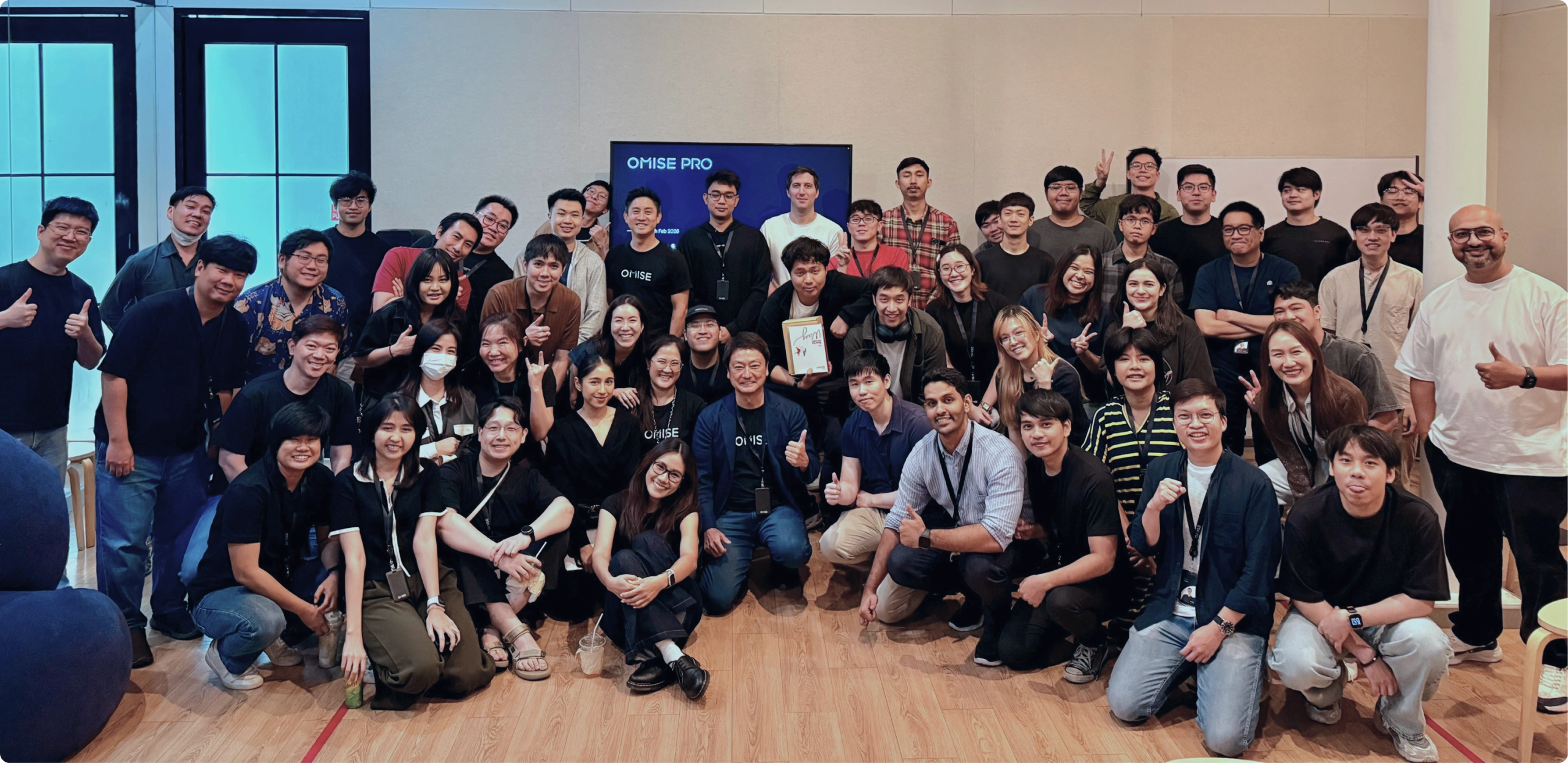
The best engineers at Omise Pro don’t wait to be told exactly what to do. They ask the right questions. They push back when a requirement doesn’t make sense. They connect the dots between what a client asked for and what the client actually needs.
This plays out on our teams regularly. An engineer notices that a feature being built doesn’t align with how users will actually interact with the system. Instead of quietly building what was specified, they raise it — constructively, with evidence — and the team ends up with a better solution. That’s not just technical skill. That’s judgment.
A great Omise Pro engineer understands that their job isn’t to close tickets. It’s to help build the right thing.

Speed matters. But speed without quality creates a different kind of problem — one that is far more expensive to fix later.
At Omise Pro, we believe in a shift-left approach to quality. This means that quality is not something we check at the end of the process. It’s something we build in from the beginning.
In practice, this looks like engineers who think about edge cases during the design phase, not after the code is written. It looks like writing tests as part of the definition of done, not as an afterthought. It looks like catching ambiguities in requirements before they become bugs in production.

When engineers own quality — not just output — the team spends less time firefighting and more time building. That’s the kind of engineer we work hard to develop at Omise Pro.
A great Omise Pro engineer understands that their job isn’t to deliver code quickly. It’s to build quality into the solution from the start.
One of the most underrated skills in engineering is communication. Not presentation skills or the ability to write documentation. I mean the ability to have a real conversation, understand what the other side is actually worried about, and translate that into technical decisions the team can act on.
The engineers who thrive at Omise Pro show up with context. They ask questions that show they’ve been thinking about the problem. They flag risks early, before they become surprises. They know how to say “that might be harder than it looks” in a way that builds trust rather than erodes it.

We actively develop this skill across our team. We encourage engineers to own their work end-to-end — from the first conversation about requirements to the moment something goes live. Because engineers who communicate well don’t just deliver better outcomes. They build better relationships.
A great Omise Pro engineer understands that their job isn’t just to hand off code. It’s to build strong partnerships through clear, proactive communication.
The technology landscape moves fast. Frameworks that were best practice three years ago are now considered legacy. AI tools that didn’t exist eighteen months ago are now changing how engineers write, test, and review code.
In this environment, the engineers who stay relevant are the ones who never stop learning. Not because their company tells them to, but because they are genuinely curious about what’s new and what’s possible.

At Omise Pro, we see this every day. Engineers experimenting with AI-assisted tools to speed up code review. Teams exploring how new technologies can be applied to the problems they’re solving. People sharing what they’ve learned in internal sessions — not because it’s required, but because they want to.
We also make space for this. Learning is not something that happens outside of work hours. It’s part of how we operate. Because a team that keeps learning delivers better outcomes — not just today, but over the long term.
A great Omise Pro engineer understands that their job isn’t just to apply the skills they have today. It’s to continuously learn and adapt so they can solve the challenges of tomorrow.
Building this kind of team has been one of the most challenging and rewarding things I’ve worked on. It requires more than hiring for technical skill. It requires hiring for mindset, investing in personal development, and creating an environment where great engineers can do their best work.
At Omise Pro, that’s what we’re building.
This is the first in a series of articles from the Omise Pro engineering team. In the coming months, you’ll hear directly from our engineers and managers — their experiences, their lessons, and the work they’re most proud of.



